


How to Spot Unsafe Structural Repairs on Your Car
Your car might look immaculate after an accident repair. The paintwork gleams, the panels appear straight, and there's barely a trace of the collision that put it in the workshop.
But what if the damage underneath hasn't been repaired properly?
Unsafe structural repairs aren't always obvious. A vehicle can leave a body shop looking as good as new while concealing weakened chassis components, poorly aligned structural panels or incorrectly repaired crumple zones. These problems may affect how the vehicle handles, how its safety systems perform and, crucially, how well it protects occupants in another collision.
Knowing what to look for can help you recognise potential problems before they put you or your passengers at risk.
Key Takeaways: How to Recognise Unsafe Car Repairs
If your vehicle has recently undergone accident repairs, or you're considering buying a previously damaged car, these are the most important warning signs to understand:
Uneven panel gaps: Inconsistent spacing between doors, wings, bonnet and boot may indicate poor alignment or unresolved accident damage.
Vehicle pulling to one side: Persistent steering or alignment problems after a collision can suggest suspension, subframe or structural issues.
Unusual noises: Creaking, rattling or knocking around repaired areas may indicate loose components, damaged mountings or poor workmanship.
Visible welding defects: Irregular welds, excessive grinding or corrosion around repaired sections can warrant closer inspection.
Damaged crumple zones: Incorrect repairs to energy-absorbing structures may compromise crash protection.
Doors that don't close properly: Misaligned doors, bonnet catches or boot lids can be signs of distorted body openings or incorrectly fitted components.
Warning lights and safety system faults: Airbag, ABS and advanced driver assistance system (ADAS) warnings should never be ignored after an accident.
Missing repair documentation: A reputable repairer should be able to explain what work was carried out, which components were replaced and what checks were completed.
The most important thing to remember: A flawless paint finish doesn't guarantee a structurally safe vehicle. Proper accident repairs must restore the vehicle in accordance with the manufacturer's applicable repair procedures, not simply make the damage disappear.
What Are Structural Repairs on a Car?
Structural repairs involve restoring or replacing components that contribute to a vehicle's strength, rigidity, crash protection and overall structural integrity.
Unlike cosmetic repairs, which generally focus on paintwork, dents and exterior appearance, structural repairs address damage to parts of the vehicle that help support loads or manage collision forces.
Depending on the vehicle's construction, these can include:
Chassis rails and longitudinal members: Structural sections that help support the vehicle and manage collision loads.
Crumple zones: Engineered areas designed to deform in a controlled manner during certain impacts.
Sills and side members: Components that contribute to body strength and side-impact protection.
A, B and C pillars: Vertical structural sections around the passenger compartment.
Crossmembers: Components that provide support and contribute to structural rigidity.
Bulkheads and floor structures: Sections that help maintain the integrity of the passenger compartment.
Suspension mounting points: Areas that locate suspension components and influence wheel alignment and handling.
Modern cars commonly use a monocoque or unibody construction, where much of the body shell forms part of the load-bearing structure. Consequently, damage that initially appears to affect an exterior panel may also involve structural components beneath it.
This is particularly important following frontal impacts, side collisions and accidents involving suspension mounting points.
Why Structural Integrity Matters After an Accident
Vehicle manufacturers engineer their cars to manage collision forces through specific structural pathways.
Some components are designed to deform and absorb energy, while others help maintain the passenger compartment's integrity.
When these structures are damaged, the repair method matters enormously.
For example, a damaged chassis rail may require replacement at a manufacturer-approved sectioning location rather than being heated, pulled or welded wherever convenient.
Likewise, certain ultra-high-strength steel components may have restrictions on heating, straightening or sectioning. An inappropriate repair could alter their properties or prevent them from behaving as intended during a subsequent collision.
A structurally sound repair must follow the applicable manufacturer repair information, including requirements for replacement parts, joining methods, corrosion protection and safety system checks.
At Spray Shack Ltd, understanding the difference between cosmetic appearance and properly completed accident repair work is particularly relevant to customers seeking confidence in their vehicle's condition.
What Makes an Automotive Structural Repair Unsafe?
Not every accident-damaged vehicle requires major structural work. However, where structural components have been affected, incorrect repair techniques can introduce hidden weaknesses.
The signs of poor structural repairs often result from one or more of the following problems.
1. Incorrect Repair Methods
Different vehicles require different repair procedures.
A repair technique suitable for one model, material or structural component may be unsuitable for another.
For example, attempting to straighten a component that the manufacturer specifies must be replaced can create a potentially unsafe repair.
Similarly, cutting and welding a structural section outside an approved repair location may affect the strength of the surrounding structure.
2. Poor Welding and Joining Techniques
Modern vehicles may use a combination of resistance spot welding, MIG/MAG welding, MIG brazing, structural adhesives, rivets and other mechanical joining methods.
The correct method depends on the vehicle and the specific repair location.
Poor workmanship in structural repairs can include:
Welds with inadequate penetration or poor positioning.
Incorrect spacing or number of spot welds.
Missing structural adhesive where specified.
Incorrectly installed rivets or mechanical fasteners.
Excessive grinding that reduces the thickness of surrounding metal.
Inadequate corrosion protection following welding or panel replacement.
A weld that looks untidy isn't automatically defective, and a neat-looking weld isn't necessarily strong. Proper assessment requires knowledge of the specified repair procedure and, where appropriate, inspection by a qualified professional.
3. Incorrect Chassis or Body Alignment
A vehicle's structural dimensions must remain within the manufacturer's tolerances.
Following a significant collision, professional repairers may need to measure the body structure using appropriate measuring equipment before, during and after repairs.
If damaged components aren't correctly aligned, the resulting problems may include uneven panel gaps, suspension geometry issues, tyre wear and abnormal handling.
Importantly, a standard wheel alignment cannot confirm that a vehicle's body structure is correctly repaired.
4. Inadequate Replacement Parts
Structural replacement components must meet the vehicle manufacturer's applicable repair requirements.
Incorrect parts, unsuitable materials or poorly fitted components can affect the vehicle's strength and crash performance.
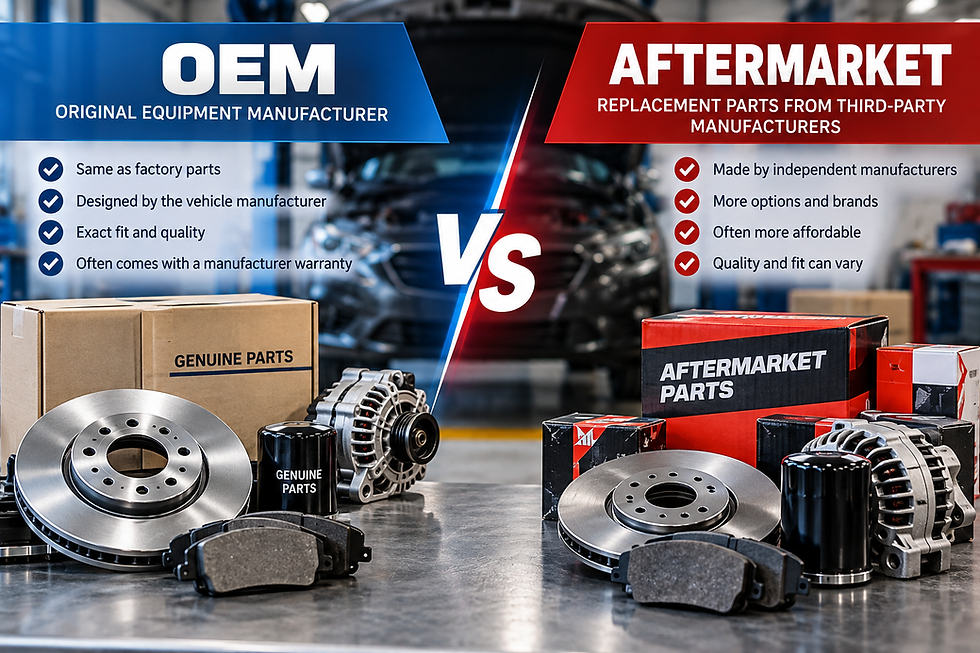
The suitability of a part depends on its specification, compatibility and approved use, rather than simply whether it is described as genuine or aftermarket.
5. Failure to Restore Safety Systems
A collision can affect more than the metal structure.
Airbags, seatbelt pretensioners, crash sensors, wiring, radar units and cameras may require inspection, replacement, calibration or testing as specified by the manufacturer.
A vehicle may appear fully repaired while still having unresolved safety system faults.
This is why a thorough repair process involves much more than straightening panels and applying fresh paint.
Customers arranging insurance accident repairs should understand the importance of an appropriate repair assessment and a clearly documented scope of work.
10 Warning Signs of Poor Structural Repairs on a Vehicle
Some signs of faulty structural repairs become noticeable as soon as you collect your car. Others only emerge after several journeys.
The following checks can help you recognise potential problems, although they cannot replace a professional structural repair inspection.
1. Uneven Panel Gaps and Poorly Aligned Bodywork
9
One of the easiest things to inspect is the spacing between adjacent body panels.
Stand back and look at the vehicle from different angles. Compare the gaps around the bonnet, doors, wings and boot lid.
Warning signs include:
A bonnet that sits noticeably higher on one side.
Door gaps that become wider or narrower along their length.
Wings that don't line up correctly with adjacent panels.
A boot lid that appears twisted or sits unevenly.
Headlights or rear lights that no longer fit flush with surrounding bodywork.
Poor panel alignment can result from incorrect fitting, damaged mounting brackets or unresolved structural distortion.
However, uneven gaps don't automatically mean the chassis is bent. Panel adjustment, replacement part fitment and previous cosmetic work can also explain the differences.
The concern becomes greater when several panels around a previously damaged area appear misaligned.
What to do: Compare the repaired side with the opposite side, where appropriate, and photograph any obvious differences. If the vehicle has suffered a significant impact, request an assessment by a qualified accident repair specialist.
2. The Car Pulls to One Side or Feels Unstable
A car that drove normally before an accident but feels noticeably different afterwards deserves attention.
Perhaps the steering wheel no longer sits centrally when travelling straight. Maybe the car drifts to one side, or you notice unusual behaviour while cornering.
Possible warning signs include:
Persistent pulling to the left or right.
A steering wheel that sits off-centre.
Uneven or accelerated tyre wear.
Unusual vibration through the steering wheel.
A feeling that the vehicle is unstable or difficult to control.
Wheel alignment that cannot be brought within specification.
These symptoms may result from damaged suspension components, incorrect wheel alignment, tyre problems or distortion around structural mounting points.
In more serious cases, the vehicle's body or subframe geometry may have been affected.
Safety note: If your vehicle feels unstable, steers unpredictably or develops significant handling problems after an accident repair, avoid driving it until a competent professional has assessed the fault.
Can Wheel Alignment Reveal Chassis Damage?
Wheel alignment measurements can reveal geometry problems, but they cannot independently establish whether the chassis or body shell has been correctly repaired.
A vehicle may require both a suspension geometry check and a separate structural measurement assessment.
This distinction matters because adjusting the wheels won't correct a distorted structural mounting point.
3. Unusual Creaking, Knocking or Rattling After Repairs
Not every unusual noise is a sign of serious structural damage.
A loose interior trim panel, worn suspension bush or incorrectly fitted undertray can all produce noises following repair work.
However, persistent sounds originating near a previously damaged structural area should not be dismissed.
Listen for:
Creaking when travelling over uneven roads.
Knocking sounds during braking or acceleration.
Rattling from repaired body sections.
Unusual noises when opening or closing doors.
New sounds associated with body movement or suspension loading.
These symptoms may indicate loose fixings, incorrectly installed components, damaged mounting points or other repair defects.
They don't prove that a weld or structural joint has failed, but they can help identify where further investigation is needed.
If the noise began immediately after repairs, record when it occurs and explain the circumstances to the repairer.
4. Visible Welding Defects or Unusual Repair Marks
Structural welding is one of the areas where correct repair procedures are particularly important.
Following major accident repairs, some replacement sections may contain visible welds or joining points. Their appearance varies depending on the vehicle and the repair method.
Potential warning signs include:
Irregular welds in areas where a different joining method is specified.
Excessive grinding around structural joints.
Visible cracks near welded sections.
Corrosion forming around recently repaired metal.
Poorly sealed seams or missing protective coatings.
Evidence of cutting or joining in unexpected structural locations.
The presence of a weld is not itself a problem. Many manufacturer-approved repairs involve welding.
The question is whether the repair was performed in the correct location, using the specified process and materials.
Never attempt to judge the strength of a structural weld solely by its appearance. An appropriate assessment may require access to manufacturer repair instructions, repair records and specialist inspection
5. Damaged or Incorrectly Repaired Crumple Zones
Crumple zones are among the most important safety features built into modern vehicles. They're designed to deform in a controlled way during certain types of collisions, absorbing energy before it reaches the passenger compartment.
But what happens when these areas are repaired incorrectly?
A vehicle might look perfectly straight after an accident, yet its energy-absorbing structures may no longer perform as intended.
Potential warning signs include:
Visible creases or distortion in chassis rails.
Evidence of previous straightening on components that should have been replaced.
Poorly fitted crash boxes or bumper reinforcement components.
Unusual welds or joints in structural sections.
Replacement components that don't appear to match the original construction.
Missing or damaged energy-absorbing materials behind exterior panels.
The difficulty is that many of these components sit behind bumpers, wings and interior trim. Without removing parts of the vehicle, it's often impossible to inspect them properly.
Why Incorrect Crumple Zone Repairs Are Dangerous
Imagine two identical vehicles involved in similar frontal collisions.
The first has been repaired using the manufacturer's specified replacement components and joining procedures. The second has had a severely damaged structural section pulled back into shape, despite the manufacturer requiring replacement.
Both vehicles might look identical from the outside.
However, their structural behaviour in a subsequent collision could be very different.
Incorrect repairs may alter how collision forces travel through the body structure, potentially affecting occupant protection.
What to do: If your vehicle has sustained significant frontal, rear or side-impact damage, ask whether the relevant crash-management components were inspected and whether repairs followed the manufacturer's procedures.
A qualified accident repair specialist should be able to explain the repair method and provide appropriate supporting documentation.
6. Doors, Bonnet or Boot No Longer Close Properly
A door that suddenly needs an extra shove to close might seem like a minor inconvenience.
After an accident, however, it can be an important clue.
Vehicle doors, bonnet assemblies and boot lids rely on correctly aligned hinges, catches, seals and surrounding body structures.
When structural damage isn't fully corrected, these components may no longer fit or operate as intended.
Look out for:
Doors that need excessive force to latch.
Bonnet catches that don't engage smoothly.
A boot lid that rubs against adjacent panels.
Uneven compression of rubber door seals.
Wind noise appearing after accident repairs.
Water entering around previously repaired openings.
Doors that appear to have dropped or shifted.
These symptoms can also result from relatively straightforward adjustment issues, so they don't automatically indicate dangerous building or vehicle repairs.
The concern increases when several symptoms appear together, particularly around an area affected by a collision.
Why Door Alignment Matters for Vehicle Safety
The pillars, sills and surrounding structures contribute to the strength of the passenger compartment.
If a side impact has distorted these areas, simply adjusting the door hinges may not resolve the underlying damage.
A poorly repaired door aperture can also affect the fit of safety-related components.
For example, a replacement door must be correctly installed, and any affected side-impact sensors, wiring and restraint systems must be addressed according to the manufacturer's requirements.
A door that closes isn't necessarily evidence that the surrounding structure has been restored correctly.
7. Rust, Corrosion or Poor Sealing Around Repaired Areas
Corrosion isn't always associated with old vehicles.
Poorly executed accident repairs can create conditions for rust to develop much sooner than expected, especially when protective coatings aren't properly restored.
During structural repair work, welding, cutting, grinding and panel replacement may disturb the vehicle's original corrosion protection.
Depending on the repair location and manufacturer specification, the repair process may require appropriate primers, seam sealers, cavity protection and underbody coatings.
If these protections are missing or incorrectly applied, moisture and road contaminants can reach vulnerable metal surfaces.
Watch for these warning signs:
Visible symptom | Possible underlying issue |
Rust forming around a recently repaired seam | Inadequate corrosion protection |
Bubbling paint near a welded section | Corrosion beneath the finish or coating failure |
Water entering the boot or cabin | Poorly fitted panels, seals or seam sealing |
Flaking underbody coating | Damaged or incorrectly applied protective material |
Rust staining around structural joints | Moisture exposure or deteriorating metal |
Uneven or missing seam sealer | Incomplete sealing or repair workmanship concerns |
Corrosion can become particularly serious when it affects load-bearing components, suspension mounting points, sills or structural joints.
Surface rust and structural corrosion aren't the same thing. The severity depends on the component, location and extent of metal deterioration.
However, new corrosion around recently repaired structural areas is a good reason to request further inspection.
8. Fresh Paintwork Concealing Poor Accident Repairs
Here's something many motorists overlook: excellent-looking paintwork can sometimes make an inadequate repair harder to recognise.
A beautifully refinished bumper or wing tells you very little about the condition of the structure beneath it.
Likewise, thick filler, excessive underseal or newly applied coatings may conceal earlier damage or poor workmanship.
That doesn't mean these materials are inherently suspicious. Body fillers, protective coatings and seam sealers all have legitimate applications in professional accident repair.
The issue is whether they're being used appropriately.
Signs That Cosmetic Repairs May Be Hiding Damage
Pay attention to:
Uneven surfaces beneath otherwise glossy paint.
Unusual ripples or distortions along repaired panels.
Heavy filler application in areas that should have been structurally restored.
Fresh underseal covering areas with obvious previous damage.
Inconsistent seam sealer patterns around replacement panels.
Paint overspray on components that wouldn't normally be painted.
Visible signs of previous impact damage behind newly fitted exterior parts.
Some of these details may simply indicate a cosmetic repair or previous refinishing work. None proves that a structural repair is unsafe.
However, several suspicious findings around the same accident-damaged area can justify closer investigation.
Why Repair Quality Is More Than a Good Paint Finish
Professional vehicle repair involves several separate disciplines.
Structural alignment, panel replacement, corrosion protection, mechanical work, electronic safety systems and refinishing all need to be considered where relevant.
A high-quality paint finish is important, but it represents only one part of the overall repair.
When evaluating a body shop, looking at examples of its completed work can help you assess its approach to presentation and workmanship.
Spray Shack Ltd showcases examples through its previous repair work, allowing customers to explore the type of vehicle repairs and refinishing undertaken.
For structural repairs, visual examples should be considered alongside evidence of appropriate repair procedures and safety checks.
9. Airbag Warning Lights and Other Safety System Faults
Modern vehicles rely on an increasingly sophisticated network of electronic safety systems.
Following a collision, these systems may require specialist inspection, replacement, programming or calibration.
The work involved depends on the vehicle, the collision and the manufacturer's instructions.
Important systems can include:
Airbags and their associated control modules.
Seatbelt pretensioners.
Crash and impact sensors.
Anti-lock braking systems (ABS).
Electronic stability control.
Lane-keeping assistance.
Autonomous emergency braking.
Radar and camera-based driver assistance systems.
Warning signs after accident repairs include:
An illuminated airbag or supplementary restraint system (SRS) warning light.
ABS or stability control warnings.
Driver assistance features that no longer function correctly.
Dashboard messages indicating sensor or camera faults.
Unexpected behaviour from parking sensors or collision warning systems.
Missing documentation for required safety system calibration.
An illuminated warning light doesn't necessarily mean a structural repair has failed, but it can indicate that safety-related work remains incomplete or another fault is present.
Equally, the absence of a warning light does not prove that all safety systems have been correctly repaired or calibrated.
What Is ADAS Calibration and Why Does It Matter?
Advanced Driver Assistance Systems, commonly known as ADAS, use cameras, radar and other sensors to support features such as emergency braking, lane assistance and adaptive cruise control.
A collision or repair may affect the position or operation of these components.
Depending on the vehicle and the work performed, calibration may be required after operations such as:
Replacing or removing a forward-facing camera.
Repairing or replacing a bumper containing radar equipment.
Carrying out certain suspension or alignment repairs.
Replacing a windscreen fitted with an ADAS camera.
Completing structural work that affects sensor mounting positions.
Calibration requirements vary between manufacturers and models.
Where specified, calibration should be completed using the appropriate procedures and equipment, with results documented.
Important: Never ignore an airbag or safety system warning after a collision. Arrange professional diagnosis before assuming the vehicle is safe to use.
10. Missing Repair Records or Unclear Accident History
Not all structural repair warning signs are physical.
Sometimes, the biggest concern is what you can't establish about the work.
If a vehicle has undergone substantial accident repairs, the documentation can help explain how the damage was assessed and what was done to restore it.
Relevant records may include:
An initial damage assessment.
A repair estimate or authorised repair specification.
Details of structural components replaced.
Manufacturer repair procedure references.
Structural measurement reports, where applicable.
Wheel alignment results.
Diagnostic scan records.
ADAS calibration documentation, where required.
Final quality control checks.
Invoices and applicable repair guarantees.
Not every minor repair requires all these documents.
However, major structural repairs should have an appropriate level of traceability.
If a seller or repairer cannot explain what was repaired, which components were replaced or whether safety-critical checks were completed, it's reasonable to seek independent verification.
Missing paperwork doesn't automatically mean a vehicle is unsafe, but it can make the quality and completeness of previous repairs harder to establish.
For drivers choosing an accident repair provider, customer experiences can also offer useful context. Reading Spray Shack Ltd customer testimonials can help prospective customers understand other people's experiences with the business, although reviews are not a substitute for technical repair evidence.
How to Check Whether Previous Structural Repairs Were Done Correctly
Spotting possible problems is one thing. Establishing whether a repair is structurally sound is another.
A visual inspection can highlight potential defects, but a proper structural assessment may require specialist measuring equipment, manufacturer repair data and access to areas hidden behind trim or body panels.
If you're concerned about a vehicle's accident repair history, the following process provides a sensible starting point.
Step 1: Review the Vehicle's Accident and Repair History
Start with the information available.
If you owned the vehicle when the accident happened, request copies of the repair estimate, invoice and any relevant inspection or calibration records.
If you're buying a used vehicle, ask the seller whether it has previously sustained accident damage and what repairs were completed.
A vehicle history check may identify recorded insurance write-offs, but it won't necessarily reveal every previous collision or repair.
In the UK, insurance write-off categories can provide useful context:
Category | General meaning |
Category A | Vehicle must be crushed; no parts may be reused |
Category B | Body shell must be crushed; some parts may be salvaged |
Category S | Repairable vehicle that sustained structural damage |
Category N | Repairable vehicle that did not sustain structural damage under the categorisation scheme |
A Category S vehicle isn't automatically unsafe once repaired. However, its history makes the quality of structural repairs particularly important.
Similarly, a vehicle without a recorded write-off category isn't necessarily free from previous structural damage.
Step 2: Carry Out a Careful Visual Inspection
Inspect the vehicle in good lighting, preferably when it's clean and dry.
Look along the sides of the bodywork rather than viewing every panel directly from the front. Reflections can sometimes reveal distortions that are difficult to see otherwise.
Check:
Whether panel gaps appear consistent.
Whether doors, bonnet and boot operate smoothly.
Whether repaired areas show signs of corrosion.
Whether tyres display unusual wear patterns.
Whether any dashboard warning lights remain illuminated.
Whether there are unexplained noises or handling changes.
You can also compare the vehicle's appearance with photographs taken before the accident, if available.
Avoid dismantling safety-related components or attempting to inspect concealed structural joints without the appropriate expertise.
Step 3: Request Structural Measurement Evidence
Where a vehicle has sustained significant structural damage, measuring the body structure against manufacturer specifications may form an important part of the repair process.
Professional body shops can use dedicated measuring systems to assess relevant reference points and determine whether the structure is within specified tolerances.
Depending on the repair, measurements may be taken before, during and after structural work.
These records can help demonstrate that the repair process addressed relevant body dimensions.
However, correct measurements alone don't prove that every structural joint, replacement part or safety system has been repaired correctly.
Step 4: Check the Repair Procedures Used
One of the most important questions is whether the repair followed the vehicle manufacturer's applicable instructions.
For example:
Was a damaged structural section repaired or replaced as specified?
Were approved sectioning locations used?
Were the correct welding, riveting or bonding methods applied?
Were corrosion protection materials restored?
Were required electronic safety checks completed?
Were any necessary ADAS calibrations performed?
These aren't questions most motorists can answer by looking at the vehicle.
A competent accident repair professional should be able to explain the relevant requirements and identify supporting repair information.
Step 5: Arrange an Independent Structural Repair Inspection
If you suspect a serious problem, consider arranging an assessment by an appropriately qualified automotive accident repair specialist or vehicle engineer.
A suitable inspection may involve:
Reviewing the accident history and repair records.
Examining accessible structural areas.
Checking relevant body dimensions.
Assessing the quality of visible joints and replacement components.
Reviewing suspension geometry and mounting points.
Checking diagnostic and safety system information.
Identifying whether further dismantling or specialist testing is necessary.
The scope should be agreed in advance, as a basic vehicle inspection won't necessarily establish the condition of concealed structural repairs.
If the vehicle shows signs of significant instability or compromised safety systems, it may be safer to arrange recovery rather than drive it to the inspection.
Can a Car Pass Its MOT With Unsafe Structural Repairs?
Yes, it's possible for a vehicle to pass an MOT while still having an inadequately repaired or concealed structural defect.
An MOT checks prescribed roadworthiness, safety and environmental requirements at the time of testing. It is not a comprehensive accident repair certification or a guarantee that the vehicle's original crash performance has been restored.
An MOT tester may identify serious structural corrosion, insecure components, damage affecting prescribed areas or other testable defects.
However, the inspection does not generally involve dismantling body panels to examine concealed structural joints or verifying every repair against manufacturer specifications.
This distinction is particularly important for previously accident-damaged vehicles.
A valid MOT certificate is useful, but it should never be treated as definitive proof that previous structural repairs were carried out safely.
If you have doubts about major accident repairs, seek a specialist assessment rather than relying solely on the MOT result.
Common Structural Repair Mistakes and Their Risks
Not all faulty accident repairs result from obviously careless workmanship. Sometimes, problems arise because an unsuitable repair method has been used, the extent of the original damage has been underestimated, or important manufacturer instructions have been overlooked.
Modern vehicles are engineered using increasingly complex combinations of materials, joining methods and safety systems. Repairing them correctly requires more than traditional panel-beating skills.
Understanding the most common mistakes can help you ask better questions when assessing previous accident repairs.
Incorrect Chassis Straightening
A damaged chassis rail or structural body section may appear repairable because it can physically be pulled back into position.
However, that doesn't necessarily mean straightening is permitted.
Certain high-strength steel and aluminium components have specific repair restrictions. Depending on the manufacturer's instructions, a damaged section may require replacement rather than straightening.
Attempting to restore a restricted component through excessive pulling or heating could compromise its mechanical properties.
The potential consequences include:
Reduced structural strength.
Altered crash energy management.
Incorrect body dimensions.
Weakness around previously deformed areas.
Increased risk of structural failure in a subsequent collision.
The correct approach depends on the vehicle's construction, the location of the damage and the manufacturer's approved repair procedures.
Welding in the Wrong Location
A structurally sound vehicle relies on carefully engineered connections between its components.
When a replacement panel or structural section is installed, the joining location can be just as important as the joining technique.
Cutting a structural member in an unauthorised location or using the wrong welding process may affect the surrounding material and alter the vehicle's crash performance.
For example, some components require specific sectioning locations, weld types, adhesives or mechanical fasteners.
An incorrect repair might initially appear strong, yet fail to behave as designed under collision loads.
Failing to Identify Hidden Accident Damage
A collision doesn't always damage only the parts that are visibly dented.
Impact forces can travel through interconnected structural components, affecting mounting points, reinforcement panels and sections located some distance from the original contact area.
For example, a front-end collision might damage the bumper reinforcement and crash boxes while also affecting suspension mounting points or adjacent chassis structures.
If the repair assessment focuses only on the obvious damage, underlying structural defects may remain unresolved.
This is why proper accident damage assessment can involve:
Removing appropriate exterior components to inspect concealed areas.
Checking the condition of structural members and their connections.
Measuring relevant body reference points.
Examining suspension and mechanical components.
Reviewing safety system faults and manufacturer repair requirements.
A thorough repair begins with an accurate diagnosis, not simply a list of visibly damaged panels.
Inadequate Corrosion Protection
A structural repair can be mechanically sound when completed yet become vulnerable to deterioration if corrosion protection isn't restored correctly.
Welding and panel replacement can disturb factory-applied coatings and expose metal surfaces.
Without suitable protection, moisture and road salt may eventually affect repaired seams, cavities and structural joints.
This is especially relevant in the UK, where wet weather and winter road treatments create demanding conditions for vehicle bodywork.
The repair process should therefore account for the manufacturer's requirements concerning seam sealing, primers, cavity protection and underbody coatings.
Overlooking Mechanical and Electronic Damage
A vehicle's body structure, suspension and electronic safety systems don't operate independently.
An impact that damages a structural mounting point may also affect suspension geometry. Similarly, bumper or windscreen repairs may trigger manufacturer requirements for safety sensor inspection or calibration.
Concentrating exclusively on visible bodywork can leave these related issues unresolved.
A complete accident repair assessment should consider all affected systems, not merely the exterior appearance.
UK Vehicle Repair Standards: What Should You Expect?
Vehicle repairs in the UK are subject to a combination of roadworthiness requirements, consumer protection law, manufacturer repair instructions and relevant industry standards.
However, it's important to distinguish between legal obligations, voluntary accreditation schemes and manufacturer-specific repair requirements.
Manufacturer Repair Procedures
Vehicle manufacturers publish technical repair information covering the correct methods for repairing or replacing affected components.
Depending on the vehicle, this information may specify:
Permitted repair and replacement methods.
Approved structural sectioning locations.
Welding, riveting and bonding requirements.
Material-specific restrictions.
Structural measurement specifications.
Corrosion protection procedures.
Diagnostic checks and electronic system calibrations.
These instructions are particularly important for vehicles containing advanced high-strength steels, aluminium structures and complex safety systems.
A repair method that was acceptable on an older vehicle may be inappropriate for a newer model.
What Is BS 10125?
BS 10125 is a British Standard covering vehicle damage repair processes.
It provides a framework for managing repair quality, personnel competence, equipment, procedures and related requirements within vehicle damage repair operations.
Certification to the standard can provide additional reassurance about a repair business's processes.
However, certification is not a universal legal requirement for every UK body shop, and it doesn't independently guarantee that every individual repair is free from defects.
When choosing a repairer, you can ask whether the business holds relevant certifications, what training its technicians receive and how it accesses manufacturer repair information.
Consumer Rights and Accident Repairs
Under the Consumer Rights Act 2015, services supplied to consumers generally must be carried out with reasonable care and skill.
If you've paid for vehicle repairs and believe the work is defective, you may have rights relating to repeat performance or a price reduction, depending on the circumstances.
Your position can differ where repairs were arranged or paid for through an insurer, particularly depending on the contractual arrangements.
If you're concerned about unsafe workmanship, keep copies of your repair documentation and seek independent technical evidence where appropriate.
Does a Structural Repair Need a Certificate?
There isn't a single universal certificate required for every structural accident repair in the UK.
Instead, the relevant evidence depends on the type and extent of the work.
For substantial repairs, useful records may include structural measurement results, parts documentation, repair specifications, diagnostic reports and calibration evidence.
Where applicable, repairer accreditation or manufacturer approval may offer further reassurance.
The key question isn't simply whether a certificate exists. It's whether the work was completed competently, using appropriate procedures, and whether relevant safety checks can be demonstrated.
When Should You Get a Professional Structural Repair Inspection?
Not every small dent or cosmetic imperfection requires a specialist structural assessment.
However, certain circumstances justify a closer look, particularly when a vehicle has experienced a significant collision.
Consider seeking professional inspection if:
Your vehicle has previously been classified as a Category S insurance write-off.
You discover evidence of major structural repairs that weren't disclosed when you bought the car.
The vehicle pulls to one side or handles differently following repairs.
Several body panels remain noticeably misaligned.
There are visible cracks, deformation or corrosion around structural sections.
Airbag or other safety-related warning lights remain illuminated.
Repair records are missing or inconsistent with the visible work.
You suspect that incorrect welding, straightening or replacement methods were used.
An independent assessment can be particularly valuable when you're purchasing a previously accident-damaged vehicle.
What Does a Structural Inspection Involve?
The exact inspection depends on the vehicle's condition and the questions that need answering.
A specialist may examine accessible structural areas, review previous repair records and compare measurements with manufacturer specifications.
Where necessary, further investigation may involve removing trim, inspecting concealed joints or assessing the condition of suspension mounting points.
The inspector may also recommend additional mechanical or electronic diagnostic work.
A useful inspection report should distinguish between:
Confirmed defects: Problems directly identified during the assessment.
Suspected defects: Findings requiring further investigation.
Areas not inspected: Components that couldn't be assessed without dismantling or specialist equipment.
Recommended actions: Repairs, measurements or tests needed to establish roadworthiness and safety.
This distinction helps avoid treating an incomplete visual inspection as definitive proof of structural integrity.
What to Do if You Discover Unsafe Structural Repairs
Finding evidence of potentially dangerous accident repairs can be unsettling, particularly if you've been driving the vehicle without realising there might be a problem.
The most important thing is to respond methodically.
Step 1: Stop Using the Vehicle if Safety Is in Doubt
If the car has serious handling problems, visibly unstable structural components, insecure suspension mountings or other signs of immediate danger, don't continue driving it.
Arrange professional advice and, where appropriate, vehicle recovery.
Continuing to use a potentially unsafe vehicle could worsen the damage or increase the risk of an accident.
Step 2: Document the Problems
Take clear photographs of visible defects and record when you first noticed them.
Keep copies of:
Repair invoices and estimates.
Previous accident photographs.
Written communications with the repairer.
Inspection reports.
Diagnostic findings.
Any relevant warranty or guarantee documents.
Avoid altering or dismantling the affected area before it has been professionally assessed, unless urgent safety work is necessary.
Step 3: Contact the Original Repairer
Explain your concerns clearly and provide supporting evidence.
Ask the repairer to clarify what work was completed, which procedures were followed and whether further inspection is required.
If the repairs were arranged through an insurance company, notify the insurer or claims handler as appropriate.
Give the business a reasonable opportunity to respond, while avoiding further use of the vehicle if its safety is uncertain.
Step 4: Obtain an Independent Assessment
If the explanation doesn't resolve your concerns, consider an independent inspection by a qualified automotive engineer or suitably experienced accident repair specialist.
An independent report can help establish whether the observed problems are related to previous repairs, unrelated mechanical defects or subsequent damage.
It can also provide technical evidence if a dispute develops.
Step 5: Agree on the Appropriate Remedial Work
Where defective repairs are confirmed, the correct solution depends on the extent of the damage and the manufacturer's repair requirements.
Some problems may be resolved through adjustment or replacement of incorrectly fitted components.
Others may require more extensive structural work.
In certain cases, further repair may not be technically appropriate or economically viable.
The priority should always be a safe, properly specified outcome rather than the cheapest or quickest cosmetic solution.
Choosing a Vehicle Accident Repair Specialist You Can Trust
The quality of an accident repair depends on much more than the final appearance of the paintwork.
A professional repair process should consider the original damage, the manufacturer's instructions, the suitability of replacement components and the checks needed before returning the vehicle to the road.
When comparing repair businesses, ask questions about their approach rather than relying solely on price.
Questions Worth Asking Before Booking
Do you assess for hidden accident damage?
How do you obtain the relevant manufacturer repair procedures?
What happens if additional damage is discovered during dismantling?
Do you carry out structural measurements when required?
How are welding, bonding and corrosion protection requirements managed?
Can you arrange the necessary diagnostic checks and ADAS calibration?
What repair documentation will I receive?
What guarantees apply to the completed work?
A trustworthy repairer should be prepared to explain the proposed repair process and be clear about any work that requires additional specialist equipment or expertise.
At Spray Shack Ltd, customers can explore the company's vehicle repair services to learn more about the work offered.
For specific structural repairs, it's sensible to confirm that the business can carry out the required operations for your vehicle or arrange appropriate specialist support.
Why Communication Matters
Accident repairs can involve unexpected complications.
Damage that initially appears cosmetic may reveal additional problems once the affected panels have been removed.
Clear communication helps customers understand why the scope of work may change, which repairs are necessary and what checks should be completed.
It also reduces the risk of misunderstandings about repair timescales, costs and the condition of the finished vehicle.
A professional approach should make it easier for you to understand what's happening to your car rather than leaving you guessing.
Frequently Asked Questions About Unsafe Structural Car Repairs
Can a Car Be Safe After Major Structural Repairs?
Yes. A vehicle that has sustained significant structural damage can sometimes be repaired safely, provided the damage is repairable under the manufacturer's instructions and the work is completed correctly.
However, not every damaged component can be repaired, and not every vehicle is suitable for restoration.
The outcome depends on the severity and location of the damage, the materials involved and the approved repair methods.
How Can I Tell if My Car's Chassis Has Been Damaged?
Possible signs include distorted structural members, unusual panel alignment, suspension geometry problems and changes in vehicle handling.
However, these symptoms aren't conclusive.
A specialist may need to inspect the structure and measure relevant reference points against manufacturer specifications to establish whether chassis or body shell damage is present.
Is It Safe to Buy a Category S Car?
A Category S vehicle may be safe to use after appropriate repairs, but its recorded structural damage history makes careful inspection especially important.
Before buying, request evidence of the repairs and consider commissioning an independent inspection.
A valid MOT certificate alone doesn't establish the quality of previous structural work.
Can Poor Welding Make a Car Unsafe?
Yes. Incorrect welding methods, locations or procedures can compromise structural connections.
This is particularly important where advanced high-strength steels, aluminium components or manufacturer-specified joining techniques are involved.
The strength of a structural joint cannot reliably be determined by appearance alone.
How Much Does a Vehicle Structural Inspection Cost in the UK?
Costs vary depending on the vehicle, the inspection scope and whether specialist measuring equipment or dismantling is required.
A basic visual assessment will generally be less involved than a comprehensive structural measurement and repair-quality investigation.
Ask for a written quotation specifying exactly what will be inspected and what documentation you'll receive.
Can an MOT Detect Bad Accident Repairs?
An MOT can identify certain roadworthiness defects, including some structural damage and corrosion.
However, it doesn't provide a comprehensive assessment of previous accident repairs.
Concealed structural defects, incorrect joining methods and certain calibration issues may require separate specialist investigation.
Can Poor Accident Repairs Affect Car Insurance?
Potentially.
Previous accident damage, write-off history and the condition of a vehicle may be relevant to an insurer's assessment of risk and cover.
If you're unsure what information your insurer requires, check your policy terms and contact the insurer directly.
Avoid assuming that a repaired vehicle is automatically insured on the same terms regardless of its history.
What Should I Do if a Body Shop Has Repaired My Car Incorrectly?
Document the defects, contact the repairer and request an explanation.
If you believe the vehicle is unsafe, avoid driving it until it has been assessed.
Where necessary, obtain an independent technical report and seek advice about your consumer rights or insurance complaint options.
Can Cosmetic Repairs Hide Serious Structural Damage?
Yes. Paint, filler, replacement exterior panels and underbody coatings can conceal damage that isn't immediately visible.
These materials also have legitimate uses, so their presence doesn't automatically indicate a problem.
Where significant previous accident damage is suspected, a specialist inspection may be needed to assess the underlying structure.
Are Repaired Crumple Zones as Safe as Original Ones?
That depends on the damage and the repair method.
Where the manufacturer permits a specific repair or replacement procedure, following that procedure is essential to restoring the intended structural performance.
An incorrectly straightened, welded or substituted crash-management component may not perform as designed in a subsequent collision.
Should I Get an Independent Inspection Before Buying a Previously Damaged Car?
It's a sensible precaution, particularly for vehicles with known structural accident damage or incomplete repair records.
An independent inspection can help identify visible defects, assess available documentation and determine whether further specialist testing is required.
Choose an inspector with relevant experience in accident damage and structural vehicle repairs.
Final Thoughts: Don't Judge an Accident Repair by Its Paintwork
A repaired vehicle should do more than look presentable.
It should handle correctly, operate safely and retain the structural performance required by its design, as far as the applicable manufacturer repair procedures permit.
Uneven panel gaps, recurring alignment problems, suspicious welding, damaged crumple zones and unresolved safety system faults are all reasons to ask further questions.
None of these warning signs automatically proves that a repair is dangerous. But ignoring them can allow an underlying problem to go undetected.
Whether you're collecting your car after an insurance claim, assessing a used vehicle or questioning an older accident repair, the best protection is a combination of informed observation, proper repair documentation and professional assessment when necessary.
If you're looking for help with accident-related bodywork or want to discuss the repair services available for your vehicle, you can contact Spray Shack Ltd to discuss your requirements.
A good repair restores confidence in your vehicle for the right reasons — not simply because the damage is no longer visible.


Comments